
Why Eating Fresh, Real Food Matters More Than Ever
Walk through any supermarket today and you’ll notice something strange — the foods taking up the most shelf space often aren’t really food at all.
Brightly coloured packets. Long ingredient lists. “Healthy” snacks loaded with sugar, preservatives and seed oils. Foods designed to last months on a shelf instead of nourishing our bodies.
Somehow, this has become normal.
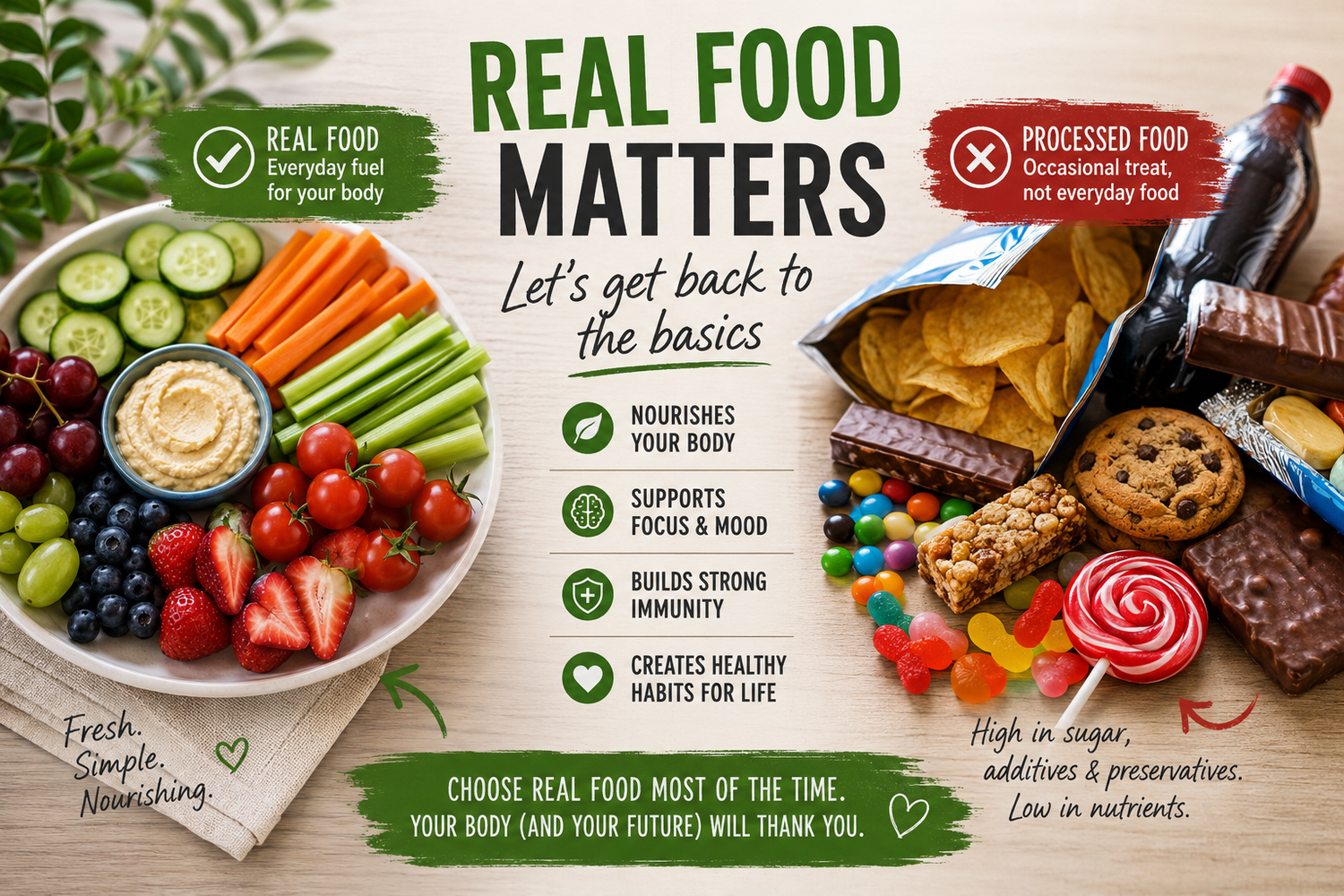
For many kids today, snacks mean chips, lollies, processed crackers, sugary yoghurts and packaged muesli bars. Fruit platters, veggie sticks, boiled eggs or homemade snacks are often treated like the unusual option — when in reality, they’re what humans have eaten for generations.
And that shift in mindset is one of the biggest health challenges we face.
What Is “Real Food”?
Real food is simple.
It’s food grown, raised or produced naturally with minimal processing.
Think:
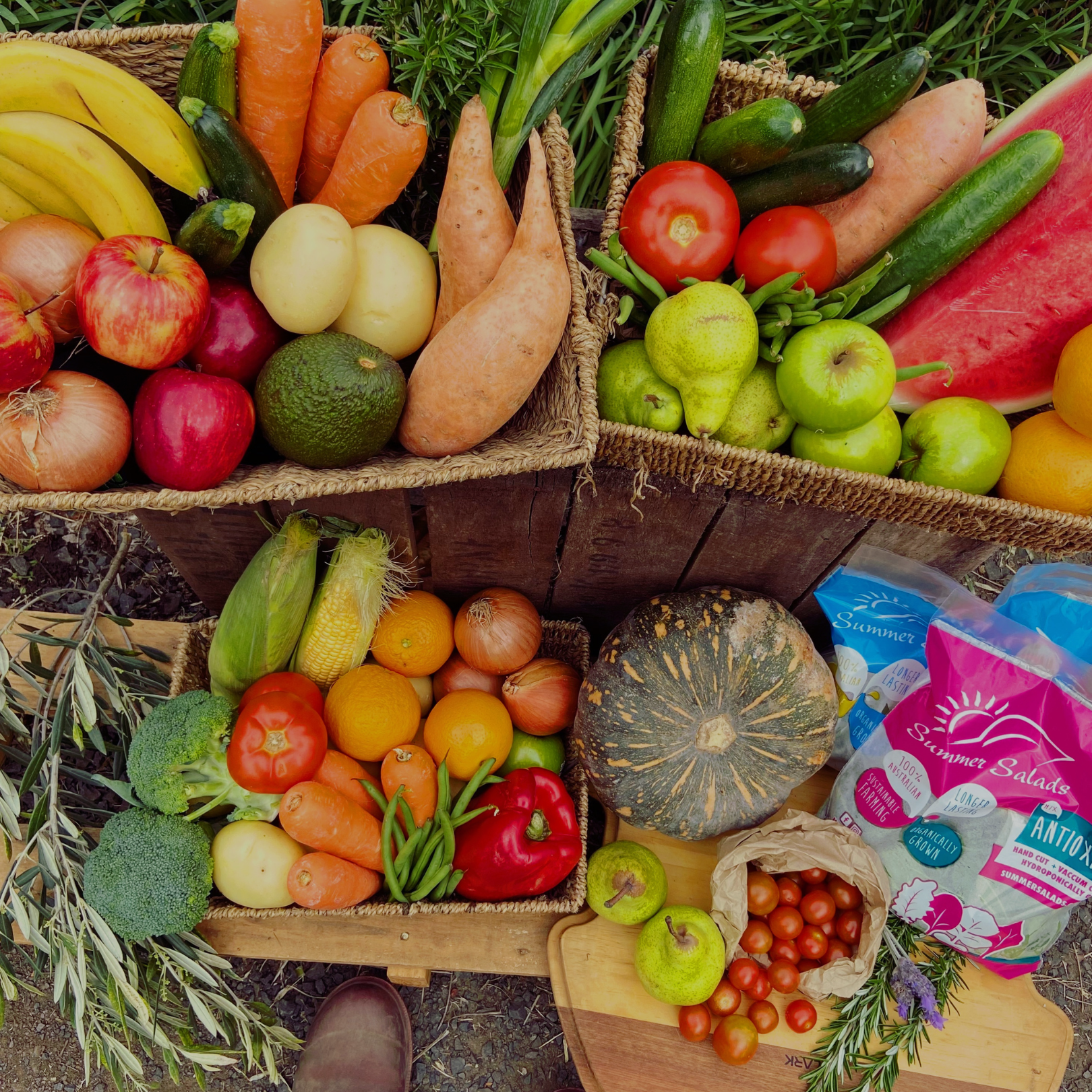
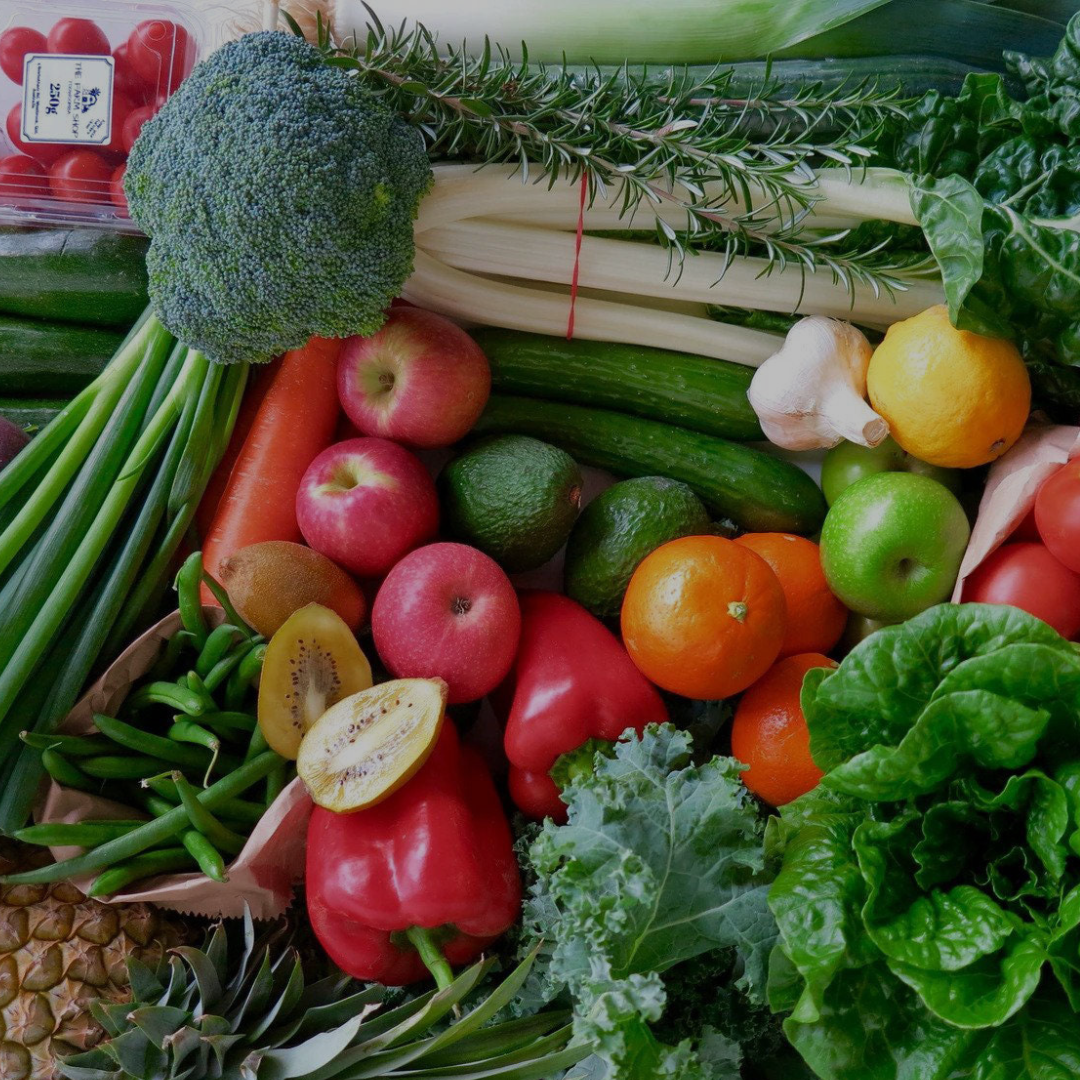
- Fresh fruit and vegetables
- Grass-fed meat
- Farm fresh eggs
- Raw nuts and seeds
- Fresh dairy
- Sourdough bread
- Homemade meals
- Seasonal produce
Real food doesn’t need a marketing campaign to convince you it’s healthy. It doesn’t need 25 ingredients or artificial colours to make it appealing.
It simply nourishes the body the way nature intended.
The Problem With Processed Foods
Highly processed foods are engineered for convenience, shelf life and profit — not health.
Many packaged snacks marketed toward families and children are loaded with:
- Refined sugars
- Artificial flavours and colours
- Preservatives
- Highly processed oils
- Excess sodium
- Fillers and additives
Even foods marketed as “healthy” can be far from nourishing.
Many muesli bars contain as much sugar as chocolate bars. Fruit snacks often contain little actual fruit. “Healthy chips” are still ultra-processed foods.
The scary part? These foods are no longer seen as treats.
They’re becoming everyday staples.
When Junk Food Becomes “Normal Food”
A generation ago, chips and lollies were occasional treats. Now they’re lunchbox fillers, after-school snacks and daily convenience foods.
Meanwhile, real snacks like sliced cucumber, carrot sticks, apples, cheese, boiled eggs or homemade muffins are sometimes viewed as inconvenient or old-fashioned.
That’s backwards.
Children are growing up thinking food comes from packets instead of farms. They’re learning to crave hyper-processed flavours instead of natural foods.
And we’re seeing the effects:
- Rising childhood obesity
- Increasing food sensitivities
- Poor gut health
- Low energy levels
- Behaviour and concentration issues
- Growing rates of chronic disease
Food matters. What we eat every day shapes our long-term health.
Fresh Food Fuels Better Health
Fresh, whole foods provide the nutrients our bodies actually need to thrive.
Real food supports:
- Strong immune systems
- Healthy digestion
- Stable energy levels
- Better concentration and mood
- Healthy growth and development
- Long-term disease prevention
A platter of fresh fruit gives natural fibre, vitamins and hydration.
Veggie sticks with hummus provide nutrients, healthy fats and lasting fullness.
Real food works with the body — not against it.
Getting Back to Basics
Healthy eating doesn’t have to be complicated.
It’s about returning to the basics that previous generations understood well:
- Cook more meals at home
- Buy fresh produce
- Support local farmers
- Read ingredient labels
- Choose foods with fewer ingredients
- Make processed foods occasional treats — not daily staples
It’s not about perfection. There’s room for birthday cake, takeaway nights and special treats.
But processed food shouldn’t replace real nourishment.
Teaching Kids What Real Food Looks Like
Children learn food habits early.
When kids regularly see fresh fruit on the bench, veggie platters on the table and homemade meals shared as a family, they begin to understand that this is normal food.
That’s powerful.
Because healthy habits built in childhood often last a lifetime.
Real Food Is Worth Returning To
In a world full of convenience foods, eating fresh and real food has become almost revolutionary.
But maybe it’s time we stop calling it “healthy eating” and simply call it what it is:
Eating real food.
Fresh produce. Simple ingredients. Food grown with care. Meals made from scratch. Snacks that actually nourish.
Let’s bring back the idea that real food is the everyday standard — and processed foods are the occasional extra.
Because our health, our families and our future generations deserve better than a diet built from packets.

Leave a comment
This site is protected by hCaptcha and the hCaptcha Privacy Policy and Terms of Service apply.